Youngha: A Handwritten Font for Web Design
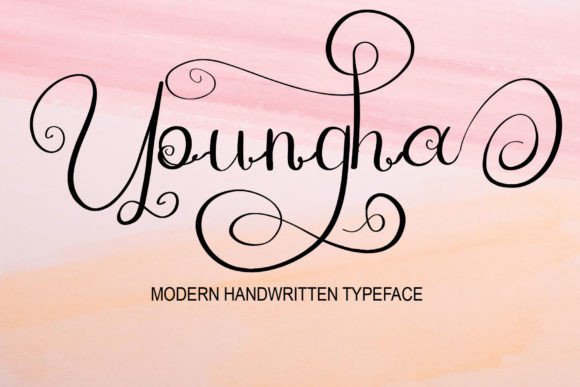
Youngha is a handwritten font that brings a personal touch to digital design. Created with a tablet, it has a natural, organic feel that works well in web layouts, branding, and creative projects. As a web designer, I appreciate how Youngha adds warmth and authenticity to interfaces without sacrificing clarity.
The font’s simplicity makes it versatile for different design needs. It’s ideal for headers, logos, and decorative elements where a human-like touch enhances the visual appeal. Its clean lines and subtle variations make it easy to read, even at smaller sizes. This makes Youngha a strong choice for websites that want to maintain a professional yet approachable tone.
Using Youngha in Web Design
When designing a website, typography plays a key role in shaping the user experience. Youngha can be used effectively in hero sections, call-to-action buttons, and section headings. Its unique character helps draw attention while maintaining readability. For example, using Youngha in a product landing page header can create an immediate sense of personality and creativity.
For a boutique online store, Youngha can serve as a signature font for product titles or brand messaging. Pairing it with a simple sans serif font like Roboto or Open Sans provides balance and contrast. This combination ensures that the display font stands out without overwhelming the reader.
In a coaching website, Youngha can be used in blog headers or course titles to add a personal, trustworthy feel. It’s also useful for social media graphics, where a handwritten style can help build a stronger connection with the audience.
Readability and Visual Hierarchy
One of the biggest concerns with handwritten fonts is legibility, especially on mobile screens. Youngha addresses this by maintaining clear letterforms and consistent spacing. When used in short phrases or headlines, it reads smoothly across devices. For small buttons or icons, Youngha still holds up well, provided the size is large enough to remain readable.
On dark backgrounds, Youngha retains good contrast, making it suitable for overlay text on images or video backgrounds. On light backgrounds, it remains crisp and easy to scan. These qualities make it a reliable choice for responsive web design, where consistency across screen sizes is essential.
When designing for conversion-focused layouts, Youngha can be used in CTA buttons or pricing headers. Its friendly appearance encourages engagement without appearing unprofessional. However, it’s best suited for short, impactful text rather than long paragraphs of body copy.
Brand Identity and Digital Appeal
Youngha’s personality aligns well with brands that want to convey creativity, authenticity, or a personal touch. It works particularly well for lifestyle, fashion, or artisanal businesses looking to stand out in a crowded market. The font’s handcrafted feel reinforces a sense of trust and individuality, which are crucial for building a strong brand identity.
For a creative portfolio site, Youngha can be used in the main navigation, project titles, or artist names. It adds a unique flair that complements visual content without distracting from it. In a digital brand kit, Youngha can serve as a primary logo font, ensuring consistency across all platforms.
As a script font, Youngha offers a refreshing alternative to more rigid typefaces. It’s especially effective when paired with modern typography, creating a dynamic contrast that enhances the overall design. This pairing is common in editorial design, packaging design, and digital ads where visual interest is key.
Practical Considerations for Web Use
Before using Youngha in a project, check the available styles, weights, and file formats. Most commercial fonts include multiple weights and alternate characters, which can be useful for customizing the look. Ensure that the font is available as a webfont, such as WOFF or WOFF2, for seamless integration into websites.
Also, consider multilingual support if your audience speaks other languages. Some fonts may not include all necessary glyphs, which could lead to display issues. Always test the font in different contexts to ensure it performs as expected.
When licensing Youngha for a website or client project, confirm the terms of use. Many premium fonts allow commercial use, but restrictions may apply depending on the license. For online stores, landing pages, or digital templates, a proper license ensures compliance and avoids legal issues.
Conclusion
Youngha is a versatile and expressive font that adds a human element to digital design. Its clean, handwritten style makes it suitable for a wide range of applications, from website headers to social media graphics. By understanding its strengths and limitations, designers can use Youngha effectively to enhance visual hierarchy, brand tone, and user engagement.
Whether you're working on a creative portfolio, an online shop, or a SaaS landing page, Youngha offers a unique way to express your brand's personality. With proper pairing and thoughtful implementation, it can elevate your designs and create a more memorable digital experience.