Fantastica Font: Elegant Script for Web Design
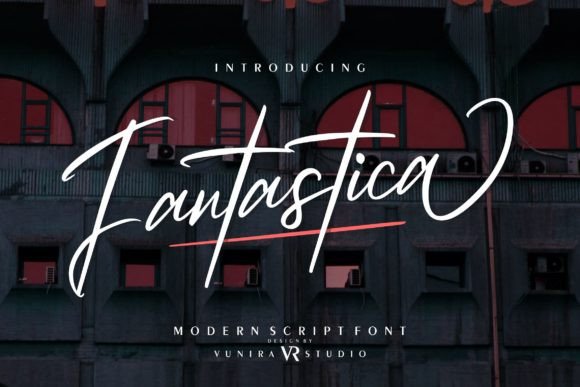
Fantastica is a delicate and elegant handwritten font that brings a sense of artistry to digital design. As a web designer, I appreciate how its well-balanced letters create a refined aesthetic without sacrificing clarity. This script font works beautifully in both modern and traditional contexts, making it a valuable addition to any design toolkit.
When used in web design, Fantastica adds a personal touch to headers, banners, and call-to-action elements. Its flowing strokes and subtle variations give it a natural, handcrafted feel that stands out from more rigid typefaces. Whether you're designing a creative portfolio or an online store, Fantastica can elevate the visual appeal of your site while maintaining readability across different screen sizes.
Using Fantastica in Digital Layouts
Fantastica excels as a display font, particularly in hero sections, landing pages, and section headings. Its unique character set allows it to convey a sense of sophistication and warmth, which is ideal for branding and storytelling. For example, using Fantastica in a coaching website header can help establish a friendly yet professional tone that resonates with visitors.
On a product landing page, Fantastica can be used to highlight key features or benefits in a visually engaging way. Pairing it with a clean sans serif font for body copy ensures that the overall layout remains easy to scan and navigate. This contrast helps guide the user’s eye through the content while maintaining a cohesive visual identity.
In an online boutique, Fantastica can transform banner text into a focal point that draws attention without overwhelming the design. It works especially well on dark backgrounds or image overlays, where its legibility remains intact due to its balanced stroke weights and open letterforms.
Brand Tone and Visual Hierarchy
The personality of Fantastica makes it a strong choice for brands looking to communicate creativity, elegance, or approachability. Its soft curves and fluid motion suggest a human touch, which can help build trust and emotional connection with users. This is particularly useful for lifestyle brands, educational platforms, or services that rely on a personal connection with their audience.
When it comes to visual hierarchy, Fantastica shines as a headline font. Its distinct shape and weight make it stand out in a layout, allowing designers to emphasize key messages effectively. However, it's best used sparingly for short phrases or decorative accents rather than long blocks of text, as excessive use can reduce readability.
For a digital brand kit, Fantastica can serve as the primary font for logos, social media graphics, and marketing assets. Its versatility allows it to adapt to various formats, from mobile screens to print materials, ensuring a consistent and recognizable identity across all touchpoints.
Practical Tips for Web Use
When implementing Fantastica on a website, consider the context in which it will be used. For small buttons or mobile-friendly designs, ensure that the font size and line height are optimized for legibility. On dark backgrounds, a lighter version of the font can enhance contrast and readability.
Font pairing is another important consideration. Combining Fantastica with a simple sans serif font like Roboto or Open Sans can create a balanced and modern look. This pairing is ideal for blogs, course pages, or SaaS websites where clarity and professionalism are essential.
If you're working on a more editorial or artistic project, pairing Fantastica with a serif font like Georgia or Playfair Display can add depth and character to the design. This combination works well for magazine-style layouts, portfolio sites, or content-focused web experiences.
Commercial Licensing and File Formats
Before using Fantastica in commercial projects, check the licensing terms to ensure compliance. Most premium fonts include licenses for web use, client projects, and online stores, but it's always wise to verify the specific details. This ensures that your design work remains legally sound and avoids potential issues down the line.
Fantastica typically comes in multiple file formats, including WOFF, WOFF2, and TTF, making it compatible with most web design tools and platforms. Some versions may also include alternate characters, ligatures, or stylistic sets, which can add extra customization options for designers.
Support for multilingual content is another factor to consider. If your website targets international audiences, make sure that Fantastica includes glyphs for the languages you need. This ensures that your typography remains consistent and readable across different regions and markets.
As a digital product creator, I find that fonts like Fantastica offer a powerful way to express brand identity and enhance user experience. By choosing the right typeface for the right purpose, designers can create more engaging and memorable web experiences that resonate with their audience.